
Author name: tschmu

Uncategorized

Running Season – Tips for Preparing to run.

Dr. Leif Edwardson Running season is right around the corner and we often get questions about previous injuries, or how to prevent the common injuries that crop up with this sport.  Pre-season injuries:  If you have been taking time off from running, you might have noticed decreased pain from a nagging injury, but it might not necessarily be gone. Previous injury has been found to be the strongest risk factor for a running-related injury (Sanfilippo et al., 2021). When you go back to running, the increased load from training again might have your pain coming back, so what better time to address this than during your off-season before that last bit of snow is gone? One of our team at MOST can evaluate your movement, strength, and range of motion to help deal with any dysfunction found that might have been contributing to this injury.  Standard running-related injuries:  Kakouris et al. (2021) found the most common prevalence of running injuries were patellofemoral pain syndrome (runner’s knee), medial tibial stress syndrome (shin splints), plantar fasciitis, IT band syndrome, and Achilles tendinopathy. Unfortunately, treating these injuries is not a cookie-cutter approach, and should take into account the person who has them, their training and lifestyle, as well as specific findings from a professional assessment. Some simple tips can be found below.   Tips for preparation: References: Kakouris, N., Yener, N., & Fong, D. T. P. (2021). A systematic review of running-related musculoskeletal injuries in runners. Journal of sport and health science, 10(5), 513–522. https://doi.org/10.1016/j.jshs.2021.04.001 Musgjerd, T., Anason, J., Rutherford, D., & Kernozek, T. W. (2021). Effect of Increasing Running Cadence on Peak Impact Force in an Outdoor Environment. International journal of sports physical therapy, 16(4), 1076–1083. https://doi.org/10.26603/001c.25166Sanfilippo, D., Beaudart, C., Gaillard, A., Bornheim, S., Bruyere, O., & Kaux, J. F. (2021). What Are the Main Risk Factors for Lower Extremity Running-Related Injuries? A Retrospective Survey Based on 3669 Respondents. Orthopaedic journal of sports medicine, 9(11), 23259671211043444. https://doi.org/10.1177/23259671211043444

Uncategorized

Quitting the new norm.

Jenn Swagar, MSC, BKIN. The Modern Athlete: Learning to Stick with It In today’s sports world, we see more talented athletes than ever before. They have access to elite coaching, advanced training methods, and endless opportunities to compete. But there’s one thing too many modern athletes lack: the ability to stick with things when they get tough. Quitting: The New Normal? Coaches everywhere see the same frustrating pattern. The moment an athlete faces adversity—whether it’s a tough coach, a reduced role on the team, or a challenging season—they look for an exit. They transfer schools. They quit mid-season. They blame coaches, teammates, or anyone but themselves. This isn’t just about sports. It’s a reflection of a larger cultural shift where quitting is often seen as the best solution instead of perseverance. Moving on is more accepted and staying and showing any form of perseverance and loyalty. Why Do So Many Athletes Struggle with Commitment? Here are a few key reasons why sticking with things has become such a challenge for modern athletes: 1. Instant Gratification Culture Young athletes today grow up in a world where everything instantly available-social media likes, Amazon Prime shipping, and instant streaming.  They never really wait or plan for things because they can shift and get anything they want and need immediately. Hard work that requires patience and persistence feels foreign. When success doesn’t come right away, quitting seems like the easier more comfortable option. 2. The Myth of the Perfect Opportunity Many athletes believe there’s always a better team, coach, or situation waiting for them. Instead of putting in the work where they are, they chase greener grass, validation and acceptance in other places, that rarely exists. Instead of staying and improving, trying to better themselves, they run. Seeking something better than what they are currently experiencing. 3. Fear of Struggle Adversity is a necessary part of growth. The best athletes in history—from Michael Jordan to Kobe Bryant—failed and struggled before they succeeded. But today, failure is often seen as a reason to give up, not a challenge to overcome. They feel personally attacked and less then if they are not always the best or seen as successful. This attitude and belief come from many different areas but mainly from parents and a lack of failing in school. 4. Overprotective Parents & Coaches Too often, parents intervene when their child faces difficulty. Instead of encouraging resilience, they try to fix everything—talking to coaches, demanding more playing time, or transferring their athlete to a different team. This robs young athletes of the chance to develop the mental toughness needed to succeed at higher levels. Instead parents should teach their kids to advocate for themselves and encourage them to go and talk to the coaches and be open to the feedback. Why Sticking with It Matters Athletes who learn to push through adversity don’t just become better players—they become better people. The ability to stay committed, work through challenges, and adapt is what separates the good from the great. Growth happens in the struggle – The best lessons come from staying the course when things get tough. Mental toughness is a competitive edge – Athletes who develop resilience will outlast those who quit. Life requires commitment – sports are just a stepping stone. The same skills needed to succeed in sports—dedication, perseverance, accountability, open-mindedness, kindness and integrity —are also needed in every aspect of life. Final Thoughts If today’s athletes want to reach their full potential, they need to break the cycle of quitting. They need to stop looking for an easier path and start embracing the hard work, setbacks, and struggles that build champions. Sport can help athletes learn how to deal with different personalities, it can teach time management skills, athletes learn to realize that most the great things in life are often a sacrifice. Coaches can push, parents can encourage, but at the end of the day, it’s up to the athlete: Are you willing to stick with it?

Uncategorized

What is an off season for Hockey Players.

Summer Hill ATC. The Importance of an Off-Season for Hockey Players: Enhancing Performance, PreventingInjuries, and Encouraging Multi-Sport DevelopmentAs an athletic therapist, I emphasize the critical role of a structured off-season for all athletes,this blog post; due to the time of year I will be focusing on hockey players as their seasons arestarting to come to an end.This period is not only for rest and recovery but also is an opportunity to assist in reducing injuryrates, enhance athletic performance, and explore the benefits of multi-sport participation.Why Hockey Players Need an Off-SeasonHockey is a physically demanding sport that requires speed, agility, endurance, and power.Research shows that without a structured off-season, there is a higher risk of burnout, overuseinjuries, and limiting overall athletic growth.A study published in the National Library of Medicine examined the impact of modified gamescheduling in the National Hockey League (NHL) on injury rates. The findings suggest that areduction in pre-season training, combined with increased schedule density, is associated with ahigher risk of injuries and a decline in overall player performance. This highlights theimportance of adequate preparation and recovery periods to maintain athlete health and optimizeperformance throughout the seasonReducing Ice Time for Recovery and LongevityToo much time on the ice—especially year-round—can contribute to chronic issues like hipimpingements, groin strains, and knee injuries. Hockey’s repetitive skating motion puts a uniquestrain on the body, and without a break, players don’t allow their muscles and joints to recoverproperly.By stepping away from the ice for part of the off-season, athletes reduce the risk of overuseinjuries and allow for targeted strength training to address weaknesses. Research shows thatsports-related injuries occur in 59.28% of practice settings rather than in competition, (Prieto-Gonzalez, P. et. al. (2021)) highlighting the need for structured off-season training focused oninjury prevention.The Benefits of Multi-Sport Participation Additionally, A Study found in the American Journal of Sports Medicine found that NBAplayers who grew up as multi-sport athletes have a much lower rate of repeat injuries. Incomparison 25% of NBA player who were multi-sport athletes before going professionalcompared to 48% non-multi-sport athletes suffered major injuries (Rugg, C., Kadoor, A., Feeley,B. T., & Pandya, N. K. (2018). This can also help contribute to athlete longevity in professionalsports. The off-season is essential for all athletes and in this post specifically hockey players looking toenhance performance, prevent injuries, and sustain long-term success. By stepping away fromthe ice, training smart, and participating in multiple sports, athletes can develop into stronger,healthier, and more well-rounded players.References:Ehlen, Q. T., Costello, J. P., 2nd, Wagner, J. D., Cohen, J. L., Baker, L. C., Rizzo, M. G., Jr, &Kaplan, L. D. (2023). The Effects of Modified Game Schedules on Injury Rates in the NationalHockey League (NHL). Cureus, 15(10), e46898. https://doi.org/10.7759/cureus.46898Jayanthi NA, LaBella CR, Fischer D, Pasulka J, Dugas LR. Sports-Specialized IntensiveTraining and the Risk of Injury in Young Athletes: A Clinical Case-Control Study. The AmericanJournal of Sports Medicine. 2015;43(4):794-801. doi:101177/0363546514567298Prieto-González, P., Martínez-Castillo, J. L., Fernández-Galván, L. M., Casado, A., Soporki, S.,& Sánchez-Infante, J. (2021). Epidemiology of Sports-Related Injuries and Associated RiskFactors in Adolescent Athletes: An Injury Surveillance. International journal of environmentalresearch and public health, 18(9), 4857. https://doi.org/10.3390/ijerph18094857Rugg, C., Kadoor, A., Feeley, B. T., & Pandya, N. K. (2018). The Effects of Playing MultipleHigh School Sports on National Basketball Association Players’ Propensity for Injury andAthletic Performance. The American journal of sports medicine, 46(2), 402–408.https://doi.org/10.1177/0363546517738736

Uncategorized

Spring Preparation at First Snowfall

Mark Cameron MScPT Cuddled up in front of the fire waiting impatiently for the snow to melt to get back out into your spring activities? You are not alone. As the Holiday season rolls around there are few things that can get you more amped up than unwrapping a new driver or a fresh pair of cleats. One thing that is absolutely essential to hit the ground running (or swinging) is preparing your body for that first day out and about by training for it. Golf, football, running, hiking, swimming, soccer, tennis, field hockey, lacrosse, or summer hockey is your game? This is for you. The name of the game is preparation, and for the Spring season (March/April) that begins now. Building strength, muscle, endurance, and power can vary greatly depending on many factors (age, sex, prior training experience, nutrition, etc.) and it is never too early to start thinking about how to up your game.  This is where a team can come in handy to help with that preparation regardless of where you are in your journey.  Rehabilitation Before we start any program, we want to make sure that our tissues are ready for it. Regular muscle soreness (delayed onset muscle soreness or DOMS) should be expected, especially with a new program, however we should not be pushing through pain. If you have doubts about what you are feeling, your rehab professional can help you tell the difference. I like to use the paper cut reference (we’ve all been there). If it feels like a paper cut or worse, it’s time to get it looked at. Different tissues take different time and loading strategies to recover so sadly this is not a one size fits all approach. One thing that you can be sure of is your ability to start your preparation journey during rehab as the transition from rehab to strength/power/endurance training should be fairly smooth and look similar from the middle to end stage of rehab to the beginning of specific training programs. Strength Training Strength training in my opinion is a must for every single person. The benefits are absolutely uncontested in the literature of what strength training does for you. Not only do you get to flex at the beach, but metabolically, independence, and the cardiorespiratory system to mention just a few show the incredible benefits of building and maintaining muscle. An increase in muscle mass was shown to be a predictor of longevity in older adults (Srikanthan et. al, 2014), but whether that is a correlation or causation is not really clear as there are so many other factors that come into play there. Still, you can’t go wrong being strong. When we are looking at building into a strength training program it can be daunting to say the least. A good place to start would be 2-4 sessions per week of at least 30 minutes of high intensity strength training. We need to be consistent if we want to build muscle. We can start to see changes as soon as a few weeks into training regarding growth of muscle, but we want to set aside 2-3 months before we see bigger, more impactful changes. This is where getting into specifics can be helped with a team around you. Shameless plug: MOST Physical Preparation offers an incredible strength training staff with VALD Performance technology in the form of Force Decks and Force Frame to get good objective measures of strength and power. We also utilize Tindeq innovative equipment and hand dynamometers to assist with these objective measures so that we aren’t guessing at the outputs which comes in handy when recovering and building strength. Power Have you ever felt the strongest that you’ve ever felt but it doesn’t translate to your activities? This is where training power comes in handy. You could be the strongest man in existence, but if you can’t produce that strength quickly it loses some of its advantages. Power production utilizes our bodies ability to use different muscle fibers (type 1, type 2A, type 2B or 2X) at different times when they are required. Neurologically this is a big learning curve as we have motor units (sometimes hundreds to thousands per muscle) that communicate with different sets and types of muscle fibers in each muscle. If we try to utilize new muscle strength at the beginning of the season without training those movements, it tends to not be the best performance. This is where a program designed for your activity comes in handy. Measuring power can be challenging. Cue up the VALD Performance Force Decks to help out with seeing rate of force production asymmetry, maximal power outputs, and ground reaction force.  Whether you are rehabbing, building strength, or working on power, now is the time to start if you are looking towards spring. So get out there and get prepping, the spring flowers will be calling sooner than you think! If you would like some assistance working into any stage of your preparation, visit us at mostphysicalprep.com and drop us a line, we’d love to help you get there! References: Srikanthan P, Karlamangla AS. Muscle mass index as a predictor of longevity in older adults. Am J Med. 2014 Jun;127(6):547-53. doi: 10.1016/j.amjmed.2014.02.007. Epub 2014 Feb 18. PMID: 24561114; PMCID: PMC4035379.

Uncategorized

From Setback to Comeback: The Power of a Rehab Dream Team.

By Kevin Trinh @kevintrinhyyc | Physiotherapist Knowledge Translation: Open Access Article from BMJ Open Sport & Exercise Medicine.  Snow sport athletes, like alpine skiers and snowboarders, encounter unique challenges during off-season preparation and injury rehabilitation. The need to travel to training areas, seasonal limitations, and the need to alternate between off-snow and on-snow training create a complex environment. Additionally, the high-impact, specific loading patterns of these sports demand tailored conditioning. To regain pre-injury performance, athletes require specialized techniques to rebuild physical resilience and psychological confidence, especially for high-risk tasks like high-speed descents. This comprehensive rehab approach ensures they can safely and effectively meet the demands of their sport. Müller et al. (2023) identified that among the many key factors in safely returning to sport, an essential component is having a diverse and supportive rehabilitation team. As athletes return to snow sports, a supportive and multidisciplinary team is crucial to address their unique physical, mental, psychological, and social needs during recovery. Above all, the team must maintain strong internal communication to effectively support the athlete across rehabilitation stages. At MOST Physical Preparation, our clinic’s rehabilitation protocol extends beyond physical healing. We collaborate closely with our patients and within our team, holding daily or weekly meetings based on a client’s rehabilitation needs to review care plans and ensure coordinated support throughout the recovery process. Our goal is to create a supportive community where athletes feel connected and empowered. By fostering a collaborative environment, we empower athletes to navigate their rehabilitation effectively and prepare for a successful return to their sport.

Uncategorized

Helmet Tech in Snow Sports

Helmet Tech in Snow Sports Leif Edwardson, DC, MSc Sports Medicine There is no question that if you are out skiing or snowboarding this winter, you should be wearing a helmet. Helmets are crucial in helping prevent some traumatic brain injuries, and should be worn by every rider out on the slopes. Although helmets do not prevent concussions, they can reduce risk for them and serious traumatic brain injuries, as well as protect against puncture wounds and skull fractures. Helmet technology has changed a lot over the last 10 years, and it can be confusing to understand the different systems and materials to buy the best and safest helmet for you.  This blog will cover what is important to look for in a helmet, and some of the commonly available helmet technology that is available at this time. If you want a quick summary, scroll down to “My Recommendation”, although I encourage you to read the whole article if you have time. Covered in more depth below: Helmet Fit Basic Safety Standards Rotation Damping Systems When to Replace a Helmet My Recommendation  Helmet Fit: Possibly the most important aspect of a helmet is fit. If a helmet is not fitted properly, it can’t do its job and could even come off in a big crash. The ideal helmet is the smallest size shell that is comfortable on the head. It should not shift around when shaking your head back and forth. Helmets are designed to fit a generic shaped head, so it is important to try them on— find one that fits and is comfortable to you. Remember that chin straps should be tight enough that they can’t slip over the chin, but loose enough to not choke you.  Basic Standards:  Standardized helmet testing has some major flaws, but will likely continue to evolve and incorporate new elements as our technology and knowledge improves. The ASTM F2040 certification is important because currently it is a baseline that shows there is some level of safety testing for the helmet to pass. The American Society of Testing and Materials has a standard test and certification designed for non-motorized snow sport helmets (F2040), as well as separate certifications for climbing, biking, and motorized sports helmets. Look for an ASTM sticker or certification on the helmet or packaging before buying. For snow sports, this test involves strapping the helmet to a head mold (think a mannequin with human weight) and dropping it on to 3 different anvil shapes at a speed that is about the speed a head would be falling from riding height. The impact forces cannot exceed 300Gs, which is around the minimal force that subdural hematoma and other serious traumatic brain injuries may occur. The helmet is also tested after being submerged in water, warmed, cooled, and exposed to UV in order to mimic possible temperature changes. European and Australian standards differ slightly, and many companies are making helmets to pass two or more of the standard testing protocols.  Often when falling on the slopes, we are going much faster than the speed that a helmet is tested at, which may drastically change the performance. Concussions and some other traumatic brain injuries can also occur at much lower forces than the standardized testing limit, around 70-120 Gs. Helmet makers typically want to pass these tests, but are often trying to go above and beyond this testing such as incorporating rotational tests, or testing at additional force levels and speeds. If you are mountaineering or in the backcountry with significant overhead hazard, you may want to look for a helmet that is double certified as a climbing helmet to protect from rock and icefall. Rotation damping systems:  The current rage in helmet tech is rotational forces and how to minimize their impact. There is some evidence that rotational forces are more predictive than linear forces for both concussion and more serious brain injuries due to the shear forces rotation creates. Some helmets are designed to theoretically decrease the forces that we believe are causing concussions which are both linear acceleration and rotational acceleration. MIPS and WaveCel are the two most common systems that you will see on the market at the time of this post and these systems are covered below.  MIPS and WaveCel are both relatively new technologies, and there is limited research on them. It is a difficult topic to research outside of a lab due to head impacts being much less common in skiing and snowboarding compared to something like football. One study investigated linear and rotational acceleration impacts in snow sport helmets comparing a regular helmet, MIPS, and WaveCel. They found little difference in linear acceleration across the board, but a significant reduction in rotational acceleration in the MIPS and WaveCel helmets. MIPS and WaveCel both outperformed one another at different impact sites, as well as speeds, but overall it concluded that the WaveCel helmet had the smallest concussion risk.  The Virginia Tech Helmet lab has designed a test for assessing rotational forces by dropping the helmets on an oblique anvil and it will be interesting to see if this will be included in future updates of the ASTM standards. The lab publishes a helmet rating of 1-5 stars based on their testing and you can view a variety of sports helmet rankings on their website. To see those results, look up Virginia Tech Helmet Ratings. MIPS: MIPS stands for multi-directional impact protection system. They have partnered with most large helmet brands at this time, and is something you will see in a large range of helmets. MIPS is a system that inserts a low friction layer into the liner of your helmet to allow a rotational movement of the helmet about your head during an impact in the hopes to decrease the rotational forces exerted on the brain. There are multiple studies showing evidence that MIPS equipped helmets can reduce rotational acceleration with oblique impacts. Current MIPS technology is available in higher and lower end helmets, making it

Uncategorized

Building athlete’s from the inside out

Pillars of preparing an athlete from the Inside out. AUTHOR JENNIFER SWAGAR “Physical fitness is not only one of the most important keys to a healthy body, it is the basis of dynamic and creative intellectual activity.” John F. Kennedy As a quality coach I have seen over the years that many coaches place high importance on one area of development. In most cases, physiological preparation or technical and tactical development take center stage. Many coaches fail to educate their athletes on the power of mental preparation and mental fitness. I view coaching as an educational art form. It is something that requires high-level knowledge, experience and skill in order to perform effectively.  In my opinion the three basic pillars for quality coaching are physiological preparedness, pedagogical proficiency and mental fitness. In order to define your skills as a quality coach you must be educated and experienced in these pillars. There is definitely more to coaching than these three elements; these are simply the ones that I would prioritize as my fundamental pillars to quality coaching. Coaches have long recognized the value of physical preparation. Physical preparation is comprised of a variety of different components. Optimal training programs are composed in accordance to general physiological principles. These principles if applied conscientiously, allow a coach to customize training techniques for each individual athlete (Hammermeister, J. 2010). Implementing proper long-term athlete development and incorporating basic principles of training will aid coaches with a long-term plan and give them the ability to adjust the plan when needed. The basic principles to training are what a successful program is built upon. As a quality coach we understand this structure and value training principles for sport, and lifestyle. We must understand and respect overload, progression, consistency, adaptation, use and disuse, specificity, and individuality.  Along with the basics of physiological preparation, we must also understand the basics of developing tactics and enhancing technical skills. These skills have physiological requirements and stresses but a coach must also prioritize the learning environment and strategies to create high performing individuals. Once we have a strong understanding of the physiological requirements of athlete development, we must appreciate the pedagogical requirements of athletes. Great coaches are great teachers. The fundamentals to great teaching involve both content and pedagogical knowledge (Hammermeister, J. 2010). While coaches must have strong knowledge in sport specific skills, techniques and tactics and know how to effectively communicate those topics, improvement in sport occurs most often when coaches are also able to create a practice environment that is athlete-centered, non-judgmental and promotes learning. Creating your team/coaching environment is an essential first step for future athlete development.  Creating a positive emotional environment for your athletes is robust and unique to each age group, gender, and sport and maturity level. Some of the key concepts to the pedagogical pillar include: embracing an athlete- centered approach, managing athlete behaviours, developing appropriate coach-athlete relationships, using clear and concise communication, proper time management, developing good practice and competition plans, understanding and using the stages of learning, embracing and coaching to individual learning styles and using proper vocabulary. The bottom line is using these tools to make the sporting experience enjoyable for each athlete. When coaches have a solid educational level and are able combine extensive experience with positive pedagogical concepts they may want to evaluate how to incorporate mental fitness into their coaching practice. “Communication leads to community, that is, to understanding, intimacy and mutual valuing” Rollo May. The term mental fitness is a dynamic concept, not a fixed outcome: it is in constant flux and development throughout an athlete’s life (MacNeill, K. Et al 2016). Sport places physical and mental stress and demands on athletes. In training and competition the body is consistently pushed to physical limits of endurance, power, speed and strength. Athletes are also pushed to move past mental barriers, to focus, develop composure, be resilient and determined. However, these basic fundamental mental skills are often untrained or expected to somehow form organically. Being a top performer in any sport requires a mixture of physical preparation, technical and tactical proficiency, and mental fitness (MacNeill, K. et al., 2016). Some coaches believe that athletes spend too much time on the physical and technical development and that when the pressure mounts they fail because they have not spent enough time developing their mental skills. Williams (2006) suggests that most athletes and coaches acknowledge that 40 to 90 per cent of success in high-performance sport comes from mental factors.  As a quality coach you must develop and strengthen mental skills using sound principles, just as you would train the basic physiological and pedieological principles. Achieving mental excellence appears to be the key to successful performance in sport. As quality coaches we understand and respect the physical skill, technical and tactical readiness that must be in place for an athlete to excel, however, we now know that performance excellence in sport often comes down to how effectively and efficiently an athlete can manage their emotions, control energy levels, eliminate distractions and focus on the task.  As athletes and coaches learn to develop mental skills they are open to mistakes, they often learn from setbacks and from successes (MacNeill, K. Et al 2016). Quality coaches establish a mental fitness plan. They will determine necessary mental skills, create goals that are beyond their athlete’s present abilities, they will embrace failures and setbacks. Occasionally athletes will feel as if they are stumbling as they go. A quality coach will communicate this with their athlete, ensure they understand that performance is not a linear progression, and that mental skills training is difficult but necessary. As Sharon Begley, states in her book, Train Your Mind, Change Your Brain, “ one can sculpt the brain’s emotional circuitry as profoundly as one can sculpt one’s pectoral muscles.” (p.231). Understanding the importance of mental fitness and recognizing that these skills must be trained, quality coaches must develop a mental fitness plan, one that supports the mental skills required for the sport

Uncategorized

Unprepared for Winter Sports?

Author Maxime Malo Soft tissue therapy & FSM have you covered Winter is almost here, and for many in Calgary, Alberta, that means ski trips, skating, and curling are just around the corner. If your body isn’t ready to handle the physical demands, you might end up facing injuries and muscle soreness. Fortunately, soft tissue therapy and Frequency-Specific Microcurrent (FSM) therapy can help you recover faster and get ready for the winter sports season. Our specialized DOMS (Delayed Onset Muscle Soreness) treatment protocol can help reduce soreness, speed up your recovery, and ensure you have a great winter sports experience. The Challenge of winter sports without preparation Jumping into winter sports without the right preparation puts significant stress on your muscles and joints. Without proper conditioning, you’re at a higher risk for injuries, muscle imbalances, and fatigue, which can take the fun out of your winter activities. Soft tissue therapy and FSM can help you get back in shape by targeting key muscles, reducing tension, and promoting recovery—keeping you active and safe. What is Soft Tissue Therapy? Soft tissue therapy is a hands-on treatment that focuses on muscles, tendons, and ligaments to release tightness, improve mobility, and restore function. Unlike a general relaxation massage, soft tissue therapy uses specialized techniques tailored for physically active individuals. It enhances movement efficiency and reduces the risk of injury, making it ideal for athletes and those enjoying winter sports. How FSM therapy works Frequency-Specific Microcurrent (FSM) therapy uses low-level electrical currents set to specific frequencies to support tissue healing and reduce inflammation. Research published in the Journal of Bodywork and Movement Therapies found that FSM therapy provided significant protection from delayed onset muscle soreness (DOMS) at 24, 48, and 72 hours post-exercise compared to a control group. When combined with soft tissue therapy, FSM can enhance recovery, reduce pain, and accelerate cellular repair. Studies have shown that FSM can effectively boost ATP production, promoting faster tissue recovery. Clinical Benefits of soft tissue therapy and FSM for winter athletes 1. Improved mobility Tight muscles can limit your range of motion and affect movement efficiency. Soft tissue therapy helps release muscle and fascial tension, improving joint mobility. FSM further supports this process by decreasing inflammation, making it easier for your body to adapt during physical activities. A meta-analysis published in BMJ Open Sport & Exercise Medicine, found that massage induces a small but significant improvement in flexibility compared with no intervention, supporting its use in improving flexibility for winter sports. 2. Injury recovery and prevention Muscle imbalances and improper movement patterns can lead to injuries. Soft tissue therapy may help to mobilize scar tissue and restores muscle function. FSM complements this by boosting ATP production, promoting cellular repair, and reducing inflammation. A study on DOMS found that participants treated with FSM experienced significant reductions in muscle soreness compared to a control group, demonstrating the combined effectiveness in improving muscle elasticity, reducing inflammation, and preventing future injuries. 3. Better Circulation and Faster Recovery Good circulation is key for delivering oxygen and nutrients to your muscles. Soft tissue therapy increases blood flow, ensuring muscles receive the necessary nutrients and waste products are efficiently removed. FSM also improves microcirculation and reduces inflammation, aiding in quicker muscle recovery.  4. Correcting Muscle Imbalances Winter sports require a balance of power, stability, and flexibility. Soft tissue therapy helps correct muscle imbalances by relaxing overactive muscles and activating weaker ones. FSM enhances this by improving nerve function and reducing inflammation, resulting in better strength and coordination. 5. Comprehensive Pain Management Pain can interfere with both physical performance and mental focus. Soft tissue therapy helps reduce pain by releasing muscle tension and stimulating natural pain-relieving chemicals. FSM augments this by altering nerve signals to help manage pain, keeping you comfortable and ready for action. Key Areas to Target After a Winter Sports Injury Hip Flexors:Tight hip flexors can lead to lower back pain and increased pressure on the spine.   Stretch Recommendations:     1. Kneeling hip flexor stretch (basic stretch).     2. Couch stretch or elevated runner’s lunge (advanced stretch). External Rotators (Piriformis, Gemellus, Obturator):Weak external rotators can lead to internal hip rotation, reducing stability.   Exercise Recommendations:     1. Clamshells (basic bodyweight exercise).     2. Banded side-lying clamshells (with resistance band). Quadriceps: Tight quadriceps can limit knee/hip movement.  Stretch Recommendations:     1. Standing quad stretch (basic stretch).     2. Couch stretch (advanced stretch). Hamstrings and Glutes: Focusing on the hamstrings and glutes is crucial because long and weak muscles can create excess tension in the posterior chain which can lead to discomfort and increased risk of injury.   Exercise Recommendations:     1. Romanian deadlift (basic exercise).     2. Single-leg hip thrust or bridge (advanced exercise). Recommended Frequency of Soft Tissue Therapy and FSM To maintain good musculoskeletal health and prevent injuries, athletes should consider receiving soft tissue therapy and FSM weekly or bi-weekly. Keeping up with these treatments throughout the winter season helps you stay in peak condition and prevents minor issues from becoming major problems. Soft Tissue Therapy and FSM at MOST Physical Preparation in Calgary At MOST Physical Preparation, we provide personalized soft tissue and FSM therapy for winter athletes. Whether you enjoy skiing, snowboarding, ice hockey, or curling, our treatments are designed to help you recover faster, improve muscle function, and stay ready for whatever the winter season brings. Tips for a Great Winter Sports Season Warm Up Properly:  Use dynamic warm-up exercises to activate key muscle groups before you start. Stay Hydrated: Cold weather can mask signs of dehydration, so drink plenty of water. Consider adding unrefined grey sea salt, Celtic salt, or sodium-potassium electrolyte packets to maintain hydration. Eat Enough Calories: Cold weather increases energy demands. Ensure you’re eating enough carbs and protein to fuel your muscles and support recovery. Take Breaks: Rest is crucial to prevent overuse injuries and maintain consistent performance. Stretch Regularly: Stretching helps maintain flexibility, reduce injury risk, and optimize your movement. Book Your Recovery

Uncategorized

The Role of a chiropractor

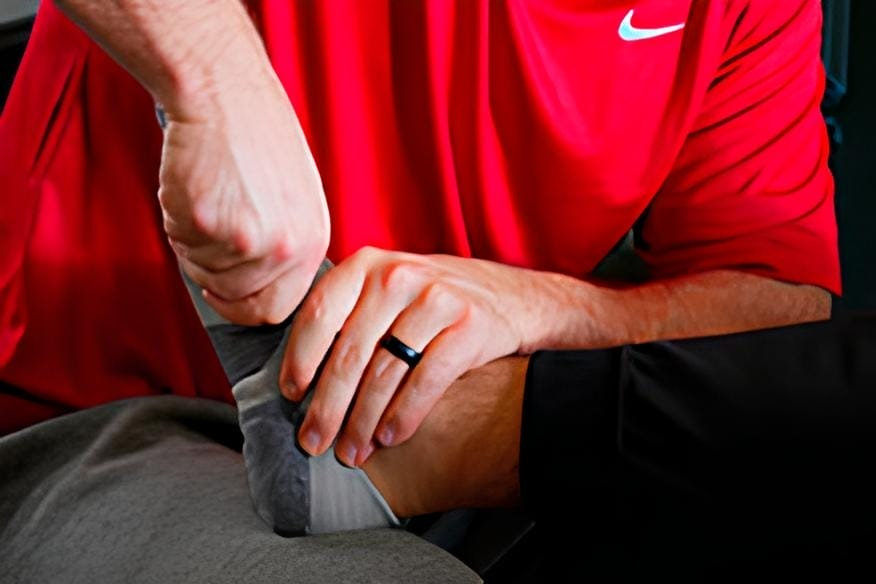
Chiropractic care is a multi-faceted approach that can include a host of different treatment options from adjusting, to exercise prescription and nutritional changes. An in-depth, goal orientated exam and history from a trained chiropractor can help tailor care to allow you to perform and play better. Benefits from chiropractic care for performance include: Dr. Lief Edwardson

Links

Get started

Member Sign Up

Blog

CONTACT

PHONE

(587) 352-2661

EMAIL

info@mostphysicalprep.com

VISIT

ADDRESS

MOST Physical Preparation

110 61 Ave SW,Calgary, AB T2H 0B2

© Copyright © 2026 Kilo. All rights reserved.

Privacy Policy

Scroll to Top