
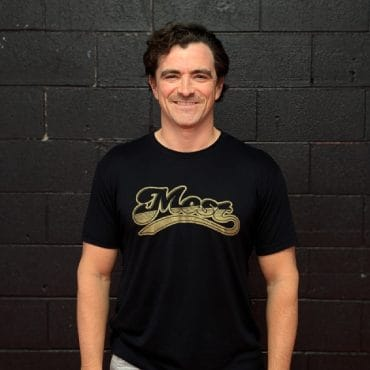
coach maxime

Spring Back to Action: How FSM Therapy Benefits Calgary’s Active Community

Author : Maxime Malo, ACMT/FSM

 Hiking a scenic trail in Banff National Park during spring. Early May in Calgary is when the city’s active community comes alive. As the snow recedes, you’ll find hikers heading out to Banff for their first trail adventures, cyclists gearing up on Calgary’s pathways, runners hitting the streets, powerlifters returning to the gym, and pickleball enthusiasts back on the courts. But jumping back into these activities after a winter hiatus can come with an unwelcome surprise: sore muscles and stiffness. It’s common to experience delayed onset muscle soreness (DOMS) a day or two after unaccustomed exercise. This post will explore how Frequency Specific Microcurrent (FSM) therapy can help you manage springtime soreness and stay injury-free, so you can keep enjoying Calgary running trails, Calgary cycling routes, and Banff hiking excursions all season long.

Understanding FSM Therapy for Recovery

Frequency Specific Microcurrent (FSM) therapy is a cutting-edge treatment that uses extremely low-level electrical currents, tuned to specific frequencies, to stimulate healing in the body. Unlike the muscle-contracting jolts of a typical TENS unit, FSM’s microcurrents are so gentle you often don’t feel them at all. These currents mirror the body’s natural electrical signals and support tissue repair processes. Research has shown that FSM can reduce inflammation and even boost cellular energy production by increasing ATP (adenosine triphosphate) levels, which are crucial for muscle recovery. In other words, FSM therapy “recharges” your cells to heal faster and function better.

One notable study published in the Journal of Bodywork and Movement Therapies found that FSM therapy provided significant protection against DOMS. Participants who received 20 minutes of FSM after intense exercise had far less muscle soreness in the following days compared to those who did not. In fact, the treated group reported dramatically lower pain scores at 24, 48, and 72 hours post-exercise. This means if you overdid your first big workout or mountain hike of the season, FSM could help you feel normal again in a day or two instead of limping around for the rest of the week. By reducing post-exercise pain and stiffness, FSM therapy allows active individuals to recover faster and get back to doing what they love.

Spring Activities and the Soreness Comeback

Why do our muscles get so sore when we resume activities every spring? The answer often lies in doing “too much, too soon.” When you ask your muscles to perform unfamiliar or intense tasks – like a powerlifter adding weight after time off, or a runner tackling Calgary’s hilly trails on the first warm weekend – you create microscopic damage in the muscle fibers. This triggers inflammation as the body repairs itself, leading to that stiff, tender feeling one or two days later known as DOMS. It’s actually a normal part of getting stronger: your muscle fibers rebuild a bit more robust each time. However, severe soreness can be discouraging and even counterproductive if it keeps you from your next workout.

Different activities can cause DOMS in different muscle groups. A long hike in Banff (especially the downhill sections) might leave your quads and calves crying the next day. An enthusiastic return to Calgary running can make your thighs and hips ache, while an intense cycling session could tighten up your calves or lower back. Even pickleball – with its quick lateral movements – can strain your knees or shoulders if you haven’t been playing through the winter. Knowing that soreness is “part of the process” is reassuring, but we also want to minimize it so you’re not sidelined just when the weather gets nice. This is where FSM therapy and smart recovery practices come in.

How FSM and Massage Therapy Can Help

Recovering from or preventing muscle soreness isn’t just about toughing it out – science-backed therapies like FSM and massage therapy can significantly ease the process. FSM therapy excels at reducing muscle pain and inflammation after exercise. By applying specific frequency microcurrents, FSM appears to accelerate the repair of micro-tears in muscle fibers and calm down inflammatory chemicals. The result is often less swelling and tenderness. As mentioned earlier, in clinical tests FSM users experienced only a fraction of the soreness their peers did in the days after a hard workout. Faster reduction in pain means you can maintain your training schedule or enjoy back-to-back active weekends without as much “forced rest” due to DOMS.

Massage therapy is another proven tool for muscle recovery. A 2024 study comparing four DOMS recovery methods found that massage had the lowest pain intensity at 24 and 48 hours post-exercise, outperforming stretching and other techniques. Massage helps by increasing blood flow, loosening tight tissues, and flushing out metabolic waste in muscles. In fact, a meta-analysis in BMJ Open Sport & Exercise Medicine found that massage yields a small but significant improvement in flexibility as well – useful for those first spring hikes or runs when your joints feel rusty. By combining FSM therapy with massage therapy, you get the best of both worlds: FSM works on a cellular level to jump-start healing, while massage provides hands-on relief to sore muscles. Our clinicians at MOST Physical Preparation often use FSM right after a soft tissue treatment so that clients leave feeling noticeably looser and more comfortable.

 Cyclists enjoying a ride along Calgary’s Bow River pathway. Both FSM and massage are safe and evidence-informed therapies to speed up recovery. They won’t erase all muscle soreness – some aches are a natural sign you’re getting stronger – but they can dramatically reduce the downtime. Less soreness and fatigue means you can keep up your newly restarted routine, whether that’s a daily jog by the river, a weekend bike ride, or your powerlifting program. Importantly, addressing soreness early may also prevent minor issues from becoming injuries. Stiff, tight muscles can alter your form and lead to strains. By using FSM and massage to restore normal muscle function, you’ll move better and lower your risk of hurting yourself.

Tips to Manage Soreness and Prevent Injuries

Getting back into shape doesn’t have to be painful. Along with therapies like FSM, implement these actionable tips to manage soreness and stay injury-free as you ramp up your activities:

Warm Up Properly: Never skip a warm-up. Start with 5–10 minutes of light cardio (brisk walking, easy cycling, etc.) and dynamic stretches to get blood flowing. Research shows a good warm-up can significantly reduce sports injuries – one review found warm-ups cut injury risk by about **36%**. Warm muscles and joints are more pliable and ready for exercise, meaning less strain and a lower chance of tweaks.

Progress Gradually: It’s tempting to jump in full throttle on the first nice day, but your body will thank you for easing in. Follow the “10% rule” – increase your activity duration or intensity by no more than ~10% per week. For example, if you ran 5 km this week, aim for 5.5 km next week, not 10. Gradual progression gives your muscles and tendons time to adapt, greatly reducing the likelihood of DOMS and overuse injuries. Consistency beats injury-induced downtime.

Cool Down and Stretch: After your activity, do a brief cool-down. Gentle movements or a slow walk will help your heart rate return to normal and flush out some waste products. Follow up with light stretching or foam rolling on the major muscle groups you used. While static stretching right after exercise won’t magically erase DOMS (and excessive static stretching isn’t very effective for recovery), it can help maintain flexibility and relieve tight spots. Focus on areas like calves, quads, hamstrings, and shoulders – you’ll feel a difference the next morning.

Stay Hydrated and Fueled: Dehydration can worsen fatigue and hinder muscle repair, so drink water throughout the day and around your workouts. Likewise, feed those muscles! Within an hour after exercise, take in some protein (for muscle repair) and healthy carbs (to refill energy stores). Adequate nutrition ensures your body has the building blocks to recover. In Calgary’s dry climate, paying attention to hydration is especially important when exercising outdoors.

Prioritize Rest and Sleep: Recovery is when improvements actually happen – muscle fibers rebuild stronger during rest. Make sure to schedule rest days each week to let your body recuperate. Sleep is perhaps the most powerful recovery tool: aim for 7–9 hours per night. Athletes who routinely got less than 8 hours of sleep were 1.7 times more likely to get injured than those who slept more. Quality sleep boosts muscle recovery, hormonal balance, and mental energy, all of which keep you performing your best.

Listen to Your Body (and Treat It Kindly): Pay attention to aches and pains. Soreness that’s minor and symmetrical (both legs, both arms) is usually fine – that’s typical DOMS. Sharp or persistent pain, or pain in a joint, might signal something more serious. Don’t push through severe pain. Instead, use active recovery (easy movement or yoga), ice on any acute flare-ups, and consider a session of massage therapy or FSM therapy for troublesome areas. Early intervention can prevent a small issue from turning into an injury. When in doubt, consult a professional – our team is here to help assess and guide you.

Recover and Thrive with MOST Physical Preparation

Spring is an exciting time to be active in Calgary. Whether you’re training for the next big trail run, cycling around town, or just enjoying weekend hikes, you deserve to feel great doing it. By incorporating smart habits and innovative therapies like FSM, you can bounce back faster from workouts and keep making progress. At MOST Physical Preparation in Calgary, we specialize in helping active individuals thrive. Our integrated wellness professionals offer both FSM therapy and massage therapy, among other services, to support your fitness journey. We use an evidence-based, movement-first approach – meaning we don’t just treat symptoms, we help you improve how your body moves and recovers.

If you’re feeling the aches of restarting your routine this May, or you want to pro-actively prevent injuries as you ramp up activity, consider giving FSM therapy a try. Many of our clients (from weekend warriors to competitive athletes) report less soreness and quicker recovery after just a few sessions. You’ll get personalized care tailored to your needs, whether it’s a tight lower back from cycling or tired quads from that first hike. Plus, our massage therapy offerings can further loosen tight muscles and enhance the effects of FSM for a one-two punch of relief.

Ready to spring back into action? Don’t let sore muscles hold you back from the Calgary running paths or your next Banff hiking trip. Contact MOST Physical Preparation to book an appointment or consultation. Let us help you stay pain-free and perform at your peak with our FSM and massage therapy services. With the right recovery plan in place, you can enjoy all the activities you love – stronger, faster, and without missing a beat. Here’s to a healthy, active spring season in Calgary!

EVO Therapeutics

evotherapeutics.ca

evotherapeutics@gmail.com

people working out in a group fitness class

A NEW YOU STARTS HERE

Talk with a coach to see if working out at MOST Physical Preparation is right for you.
Get Started