
Celebrate the small wins.
Being Ready to Start a new workout plan is often difficult.


Why Coaching Hurts More Than It Used To There was a time when coaching filled me up. It wasn’t easy work, but it was meaningful. It was about helping people find a part of themselves they didn’t know they had — that extra ounce of fight, that belief they could rise above their limits. Back then, the job was demanding, but it gave back in equal measure. Today, it’s different. Coaching has become emotionally draining in ways that go far beyond practice plans and game days. It’s no longer just about teaching, leading, or building a team. Now, it feels like you’re constantly defending yourself — against opinions, assumptions, and invisible accusations that can surface at any moment. Somewhere along the way, the role of the coach changed. We used to be seen as mentors and educators; now, we’re treated like service providers. Everyone — athletes, parents, administrators — expects something from you, and when they don’t get it, you become the problem. You spend more time managing people’s perceptions than actually coaching. There’s also a quiet fear that sits in the back of every good coach’s mind: One complaint could end everything.It doesn’t matter how much you’ve given, how much you care, or how many athletes you’ve helped. The fear of being misunderstood, misquoted, or misrepresented wears on you. You start second-guessing yourself. You edit your tone. You overthink every interaction. Eventually, that kind of vigilance drains the passion that once fueled you. What makes it worse is the lack of balance. Athletes are told to speak their truth — and they should — but coaches aren’t offered the same grace. An athlete can make a statement and destroy your career, while you’re left with no voice, no defense, and no support. The relationship that used to be built on mutual respect has become transactional. You give everything, but it can all be taken away with a single accusation. And when that moment comes, administrators often look the other way. The same people who praised you when things were good will quietly distance themselves when things get uncomfortable. Their job becomes protecting the institution, not the person who gave years of loyalty to it. That abandonment cuts deep — it’s not just professional loss, it’s personal betrayal. On top of it all, the emotional labor has exploded. Coaches are now expected to be therapists, crisis managers, life coaches, and mediators — often without the tools or training to handle those roles. Every athlete comes with their own world of pressures and pain, and somehow you’re supposed to absorb it all while pretending you’re fine. But what truly breaks a coach’s heart is the absence of gratitude. You give up your time, your family, your peace of mind — and in return, you often get criticism or silence. There’s no thank-you, no acknowledgment of what it costs to care this much. The imbalance between what you give and what you receive leaves you emotionally empty. Coaching used to be about connection. Now, it’s about survival. And that’s what hurts the most — when something you once loved becomes something that slowly breaks you down. Because the truth is, coaching today demands your whole heart, but it no longer protects it. It asks for everything, and gives almost nothing back.
Preventative exercise is really just the baseline of what people should be doing anyway. The problem is that most people don’t look at it that way. They tend to see exercise as: But the real foundation of exercise is keeping the body durable, functional, and resistant to breakdown. In other words, prevention. To people that exercise regularly you are doing the basics and creating a great foundation, you are doing your preventative exercise. Why it feels “separate” The truth Preventative exercise isn’t a special category — it’s the real reason humans evolved to move. We just rebranded it because so many people ignore the basics until they get hurt or sick. If people followed a well-rounded routine of:
When people talk about longevity training, they usually mean exercise and lifestyle habits that don’t just improve fitness in the short term, but actually extend healthspan (how long you live free of disease and disability) and possibly lifespan. There’s a lot of hype in this space, so here’s a grounded look at the truth: Core Principles of Longevity Training Myths About Longevity Training Beyond the Body Longevity isn’t just physical training. It’s also: The truth: Longevity training isn’t fancy—it’s strength work, cardio, mobility, and balance, done consistently, paired with recovery, sleep, and a healthy diet. The science points to moderation, sustainability, and lifestyle integration, not hacks or extremes. Being consistent will help you be confident and capable as you age. Previous Post Prepare for Winter Sports Season: How Sports Massage and FSM Therapy Boost Performance & Recovery. Next Post Preventative Exercise is truly just the basics rebranded
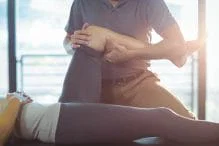
Authour: Maxime Malo RMT. Skiers and snowboarders gearing up on a chairlift in the Rockies – in Calgary and Banff, winter sports are a way of life The Winter Sports Challenge in Calgary & Banff In Calgary and nearby Banff, Alberta, winter sports like skiing, snowboarding, ice hockey, and curling are more than just seasonal pastimes – they’re a way of life. As winter approaches, enthusiasts of all levels flock to the mountains and rinks. But jumping into these activities without proper preparation can put significant stress on your muscles and joints. Cold weather and demanding movements (from carving down ski slopes to sweeping in curling) can lead to tight muscles, fatigue, and a higher risk of strains or injuries if your body isn’t ready. To fully enjoy the season ahead, it’s crucial to prepare your body now, in the off-season, and continue caring for it throughout winter. Why preparation matters: Without adequate conditioning and recovery practices, you may experience muscle imbalances, reduced range of motion, or lingering soreness that takes the fun out of winter adventures. The good news is that two therapeutic modalities – sports massage therapy (a form of soft tissue therapy) and Frequency-Specific Microcurrent (FSM) therapy – can play a key role in helping winter athletes and weekend warriors alike get ready for action and stay injury-free. These therapies support your training by targeting key muscles, relieving tension, and enhancing the body’s natural recovery processes, so you can remain active and safe all season long. What Is Sports Massage Therapy(Soft Tissue Therapy)? Sports massage therapy is a specialized form of soft tissue therapy focused on muscles, tendons, and ligaments. Unlike a relaxing spa massage, sports massage aims to improve your athletic performance and resilience. A trained therapist uses targeted techniques to release tight areas, break up adhesions (knots or scar tissue), and improve flexibility and range of motion. For example, if you’re a skier or snowboarder, sports massage can loosen up tight quadriceps, calves, and hip flexors, helping you move more efficiently and reducing strain on your knees. If you play hockey or do ice climbing, massage can relieve stiff shoulders and back muscles from all that twisting and carrying of equipment. How sports massage helps winter athletes: By easing muscle tension and improving tissue elasticity, sports massage can directly reduce the risk of common winter sport injuries like muscle pulls or ligament sprains. It also stimulates blood flow to the muscles, delivering oxygen and nutrients needed for performance. In fact, research has shown that massage therapy can improve circulation and even alleviate muscle soreness after intense exercise (sciencedaily.com). A University of Illinois at Chicago study found that people who received massage after exercise had better blood flow and reported significantly less soreness 24 hours later compared to those who did not (sciencedaily.com). Improved circulation means your muscles recover faster from workouts or long days on the ski hill, so you’re less stiff and more prepared to hit the slopes or the ice again. Sports massage also has a positive effect on your nervous system – it can calm down overactive areas and activate underused muscles, contributing to better balance and coordination. Over the winter season, regular sessions can help correct muscle imbalances (for instance, relaxing a dominant leg muscle while encouraging a weaker one to engage properly), which is important for sports that require symmetry and stability. How Frequency-Specific Microcurrent (FSM) Therapy Works While sports massage works on a macro level through manual pressure, Frequency-Specific Microcurrent (FSM) therapy works on a micro level by sending very low-level electrical currents into the body’s tissues. FSM devices deliver currents in the microampere range (millionths of an ampere) at specific frequencies that target certain tissues or conditions. You won’t feel any shocks – the currents are so small that treatment is usually painless – but the effects can be significant at the cellular level. Healing and recovery at the cellular level: FSM is designed to support tissue healing and reduce inflammation from within. The microcurrents stimulate cellular processes; notably, studies have found that microcurrent therapy can dramatically increase production of ATP (adenosine triphosphate), which is the energy molecule cells use for repair and regeneration. In one landmark study, Cheng et al. (1982) demonstrated that microcurrent stimulation could boost ATP production by as much as 500% in tissue cells (pantheonresearch.com). This surge in cellular energy accelerates healing of muscle or ligament micro-tears and helps your body recover faster after intense exercise or injury. Essentially, FSM gives your cells extra “battery power” to repair themselves. FSM also appears to modulate inflammation and pain signaling. The gentle currents can reduce inflammatory chemicals and influence nerve pathways to alleviate pain. For winter sports enthusiasts, this means FSM therapy can help with both acute issues (like calming down a swollen, sore muscle after a big powder day) and chronic aches (like that nagging knee pain or lower back stiffness from repetitive movements). In fact, a controlled trial in the Journal of Bodywork and Movement Therapies found that athletes who received FSM treatment after exercise experienced significantly less delayed onset muscle soreness (DOMS) at 24, 48, and 72 hours post-exercise, compared to when they did not receive FSM (frequencyspecific.com). The FSM-treated muscles were notably less sore – for example, at 48 hours the treated group rated soreness around 1.2 on a pain scale vs. 7.0 in the control (no treatment) group (frequencyspecific.com). This suggests FSM provided protection against muscle soreness, allowing for quicker recovery between training sessions. When combined, sports massage and FSM therapy complement each other exceptionally well. Massage works on improving tissue quality and mechanics externally, while FSM works internally to reduce inflammation, enhance healing, and even improve microcirculation. The result is a holistic approach to keeping your body in top shape for winter sports. A sports therapist working on an athlete’s knee – targeted soft tissue therapy can address problem areas and prevent injuries in winter sports. Benefits of Sports Massage & FSM Therapy for Winter Sports Regular sports massage and FSM therapy offer a range of science-backed benefits that can help winter athletes and active enthusiasts perform better and
Author : Maxime Malo, ACMT/FSM Hiking a scenic trail in Banff National Park during spring. Early May in Calgary is when the city’s active community comes alive. As the snow recedes, you’ll find hikers heading out to Banff for their first trail adventures, cyclists gearing up on Calgary’s pathways, runners hitting the streets, powerlifters returning to the gym, and pickleball enthusiasts back on the courts. But jumping back into these activities after a winter hiatus can come with an unwelcome surprise: sore muscles and stiffness. It’s common to experience delayed onset muscle soreness (DOMS) a day or two after unaccustomed exercise. This post will explore how Frequency Specific Microcurrent (FSM) therapy can help you manage springtime soreness and stay injury-free, so you can keep enjoying Calgary running trails, Calgary cycling routes, and Banff hiking excursions all season long. Understanding FSM Therapy for Recovery Frequency Specific Microcurrent (FSM) therapy is a cutting-edge treatment that uses extremely low-level electrical currents, tuned to specific frequencies, to stimulate healing in the body. Unlike the muscle-contracting jolts of a typical TENS unit, FSM’s microcurrents are so gentle you often don’t feel them at all. These currents mirror the body’s natural electrical signals and support tissue repair processes. Research has shown that FSM can reduce inflammation and even boost cellular energy production by increasing ATP (adenosine triphosphate) levels, which are crucial for muscle recovery. In other words, FSM therapy “recharges” your cells to heal faster and function better. One notable study published in the Journal of Bodywork and Movement Therapies found that FSM therapy provided significant protection against DOMS. Participants who received 20 minutes of FSM after intense exercise had far less muscle soreness in the following days compared to those who did not. In fact, the treated group reported dramatically lower pain scores at 24, 48, and 72 hours post-exercise. This means if you overdid your first big workout or mountain hike of the season, FSM could help you feel normal again in a day or two instead of limping around for the rest of the week. By reducing post-exercise pain and stiffness, FSM therapy allows active individuals to recover faster and get back to doing what they love. Spring Activities and the Soreness Comeback Why do our muscles get so sore when we resume activities every spring? The answer often lies in doing “too much, too soon.” When you ask your muscles to perform unfamiliar or intense tasks – like a powerlifter adding weight after time off, or a runner tackling Calgary’s hilly trails on the first warm weekend – you create microscopic damage in the muscle fibers. This triggers inflammation as the body repairs itself, leading to that stiff, tender feeling one or two days later known as DOMS. It’s actually a normal part of getting stronger: your muscle fibers rebuild a bit more robust each time. However, severe soreness can be discouraging and even counterproductive if it keeps you from your next workout. Different activities can cause DOMS in different muscle groups. A long hike in Banff (especially the downhill sections) might leave your quads and calves crying the next day. An enthusiastic return to Calgary running can make your thighs and hips ache, while an intense cycling session could tighten up your calves or lower back. Even pickleball – with its quick lateral movements – can strain your knees or shoulders if you haven’t been playing through the winter. Knowing that soreness is “part of the process” is reassuring, but we also want to minimize it so you’re not sidelined just when the weather gets nice. This is where FSM therapy and smart recovery practices come in. How FSM and Massage Therapy Can Help Recovering from or preventing muscle soreness isn’t just about toughing it out – science-backed therapies like FSM and massage therapy can significantly ease the process. FSM therapy excels at reducing muscle pain and inflammation after exercise. By applying specific frequency microcurrents, FSM appears to accelerate the repair of micro-tears in muscle fibers and calm down inflammatory chemicals. The result is often less swelling and tenderness. As mentioned earlier, in clinical tests FSM users experienced only a fraction of the soreness their peers did in the days after a hard workout. Faster reduction in pain means you can maintain your training schedule or enjoy back-to-back active weekends without as much “forced rest” due to DOMS. Massage therapy is another proven tool for muscle recovery. A 2024 study comparing four DOMS recovery methods found that massage had the lowest pain intensity at 24 and 48 hours post-exercise, outperforming stretching and other techniques. Massage helps by increasing blood flow, loosening tight tissues, and flushing out metabolic waste in muscles. In fact, a meta-analysis in BMJ Open Sport & Exercise Medicine found that massage yields a small but significant improvement in flexibility as well – useful for those first spring hikes or runs when your joints feel rusty. By combining FSM therapy with massage therapy, you get the best of both worlds: FSM works on a cellular level to jump-start healing, while massage provides hands-on relief to sore muscles. Our clinicians at MOST Physical Preparation often use FSM right after a soft tissue treatment so that clients leave feeling noticeably looser and more comfortable. Cyclists enjoying a ride along Calgary’s Bow River pathway. Both FSM and massage are safe and evidence-informed therapies to speed up recovery. They won’t erase all muscle soreness – some aches are a natural sign you’re getting stronger – but they can dramatically reduce the downtime. Less soreness and fatigue means you can keep up your newly restarted routine, whether that’s a daily jog by the river, a weekend bike ride, or your powerlifting program. Importantly, addressing soreness early may also prevent minor issues from becoming injuries. Stiff, tight muscles can alter your form and lead to strains. By using FSM and massage to restore normal muscle function, you’ll move better and lower your risk of hurting yourself. Tips to Manage Soreness and Prevent Injuries Getting
Author DR. Lief Edwardson Training to prevent falls and fracturesMove over biceps and six packs- today we are talking about building bone and balance.Something often overlooked until it becomes an issue is training to prevent falls and fractures,which can be a serious concern for older adults. After about age 25-40 (depending on thespecific bone) bone density gradually decreases as normal bone breakdown outpacesremodelling of bones. When a bone does not have adequate density, it is termed osteoporotic.Menopause is a time with increased bone loss and there can be up to a 25% decrease in bonedensity at this time with an average loss of 10%, putting post-menopausal women at higherrisks for osteoporosis.What is bone density testing:When bone density scans are performed, they compare your bone density to that of a healthyyoung adult and to individuals of your own age, and you are given a score based on yourdifference from the norms. They may also include a 10 year fracture risk assessment based ondensity and other risks associated with fracture, and highlight specific areas of low bone densityallowing guidance for exercise intervention. The test is typically in a DXA unit, which is a safeand simple procedure utilizing two low energy x-ray beams to determine bone density of areasof concern such as the hip and spine.Who should have their bone density tested:Canadian guidelines recommend everyone over the age 65 have a bone density test performed.Those younger than 65 with certain risk factors, such as some medications or previous fracturesmay also be assessed. A chiropractor, some physical therapists, or your medical doctor are ableto order the testing through a diagnostic centre and can help you interpret the results.Who should be training to prevent falls:Nobody wants to fall and hurt themselves, but it is especially important for aging adults andpost-menopausal women. There is no right time to begin training for this, but the best time tostart is now. Training should focus on your specific deficits or concerns, and generally would fallinto categories of balance, strength, or bone density exercises.Best exercises for building bone and preventing osteoporosis:Exercises that best improve bone density should be load bearing or impact style movements.Greater forces through the bones have a larger effect on bone producing cells, so we try totarget movements that provide this. Jumping is often brought up in regards to building bone- butthis should be noted that it will affect different areas of the body differently. When we jump thereis a large amount of force sent through the bones of the lower extremity, but much less forceinto the lumbar spine. In that regard, jumping is a great choice for someone with lower bonedensity in the femoral neck (part of the thigh), but not necessarily for someone with low bonemass elsewhere. For help building a tailored program, come see us in the clinic and we canhelp guide your training to what you need.Best exercises for improving balance to prevent falls: Balance exercises can be as simple or as complex as you want, and anytime we are standingand moving we are training our balance. As with other exercises, the best ones are the onesyou will do, and specific to you. This can be as simple as practicing standing on one foot or withboth feet close together while flowing your teeth, or finding an activity such as Tai Chi whichmay be more enjoyable for some people. An evaluation by one of our clinicians will be a greatway to get ideas for exercises that match your current abilities, and a roadmap for how tochallenge you further as you improve.References:Ji, M. X., & Yu, Q. (2015). Primary osteoporosis in postmenopausal women. Chronic diseasesand translational medicine, 1(1), 9–13. https://doi.org/10.1016/j.cdtm.2015.02.006Sherrington, C., Fairhall, N. J., Wallbank, G. K., Tiedemann, A., Michaleff, Z. A., Howard, K.,Clemson, L., Hopewell, S., & Lamb, S. E. (2019). Exercise for preventing falls in older peopleliving in the community. The Cochrane database of systematic reviews, 1(1), CD012424.https://doi.org/10.1002/14651858.CD012424.pub2Osteoporosis Canada, Bone Mineral Density Testhttps://osteoporosis.ca/bone-mineral-density-testing/ Previous Post Postural Training: A Path to Better Health and Performance Next Post Spring Back to Action: How FSM Therapy Benefits Calgary’s Active Community
Author: Hassan Hatoum,Physiotherapist Good posture is a cornerstone of physical health and well-being, yet it is often overlooked in ourdaily lives. Poor posture can lead to a variety of musculoskeletal (MSK) issues and medicalconditions, affecting individuals of all ages. Incorporating postural training into daily routines isa simple yet powerful way to prevent injuries, enhance overall health, and improve athleticperformance. Let’s explore the numerous benefits of postural training and its relevance to variousaspects of life. Common Conditions Caused by Poor Posture Poor posture is a significant contributor to common ailments such as low back pain, upper neckpain, and shoulder injuries. Sitting or standing with a slouched posture places undue stress on thespine, leading to muscle imbalances and joint dysfunction. Over time, these imbalances cancause chronic pain, stiffness, and a reduced range of motion. Individuals who engage inrepetitive activities with poor alignment, such as texting or prolonged use of tablets, areparticularly susceptible to these conditions. In my clinical experience the overwhelming majorityof day-to-day non-traumatic injuries that I see can be linked or associated with postural issues.Impact on Activities of Daily Living (ADLs)Our modern lifestyles often involve prolonged periods of sitting and frequent use of technology,which can wreak havoc on posture. Activities like texting, gaming, or using tablets often lead toforward head posture and rounded shoulders, placing excess strain on the cervical spine andupper back. Over time, this poor alignment can contribute to conditions such as “text neck,”carpal tunnel syndrome, and chronic headaches. Postural training can counteract these effects byteaching proper alignment and ergonomic habits, ultimately reducing discomfort during dailyactivities. Medical Implications of Poor Posture Beyond MSK issues, poor posture can have far-reaching effects on overall health. Slouchingcompresses the chest cavity, restricting lung capacity and leading to shallow breathing. Thisreduced oxygen intake can impair energy levels, cognitive function, and overall vitality.Additionally, poor posture is a known contributor to tension headaches, as the forward headposition places excessive strain on the neck muscles and nerves. Correcting posture can alleviatethese symptoms, promoting better respiratory and neurological health.Importance for Sports and Fitness TrainingPosture is a critical factor in sports and fitness training. Poor posture can lead to inefficientmovement patterns and an increased risk of injury during training or competition. Athletes whoprioritize postural training can improve their power, endurance, and recovery, giving them acompetitive edge while reducing the likelihood of strain or overuse injuries. A Personal Approach to Postural Training My love for health and fitness led me to pursue a master’s in physical therapy at McMasteruniversity because I wanted to help cure people by strengthening them and taking away theirbody pain through exercise. With over a decade of experience in strength and conditioning, Ispecialize in teaching people how to fix their posture. I have had success in treating back painand arm/shoulder pain in several patients through targeted postural training, focusing onindividualized strategies to enhance alignment and functionality. Conclusion Postural training is a fundamental component of a healthy lifestyle. By addressing poor postureearly and consistently, individuals can prevent common MSK conditions, improve their dailyfunctioning, and enhance their athletic capabilities. Whether you are a student, a workingprofessional, or an athlete, prioritizing posture can lead to a more active, pain-free, and fulfillinglife. Invest in your posture today for a healthier tomorrow.
Author: Mark Cameron “Everybody wants to be a bodybuilder, but nobody wants to lift no heavy-ass weights” – Ronnie Coleman Lifting weights has an incredible capacity to allow people to get the body strong, get big, stay active, improve performance, but the basement of what we need to do to allow that to happen is sometimes overestimated. When we move from junior high and high school and transition into early adulthood, we tend to gravitate to a less active lifestyle (Kwan et al., 2012). This decrease of about 24% in activity levels can be from all sorts of factors including decreased organized sports, changing cities, changing interests, time constraints, and a plethora of other super important adult tasks (ie. don’t want to, need to watch Netflix, etc.). When we look at the minimum requirements of movement of 150 minutes of activity per week (“Ain’t nothin’ but a peanut” – Ronnie Coleman), only 49% of Canadian adults are getting that moderate to high intensity in their week (Statistics Canada 2021). That is about 30 minutes/day Monday-Friday (no homework for the weekend, woo!). I never want to be the scare tactic guy as I like using the carrot, not the stick, but let’s talk about the bad news first: Now the good news! If we can strength train then we can really put a stopper in that age related bone loss. Our brain may even be protected, and last but certainly not least, more muscle = less degeneration of muscle = stronger = feeling like you can rule the world (“YEAH BUDDY!” – Ronnie Coleman). The importance of continuing or starting resistance training to age gracefully is one of those no-brainers (literally, we want to protect that brain) that we want to think about as early as early gets when we jump into adulthood! If you want to jump in and get those muscles moving, we can help you out wherever you might be in your journey! So get moving and reach out if you have any concerns! Previous Post The modern Sport Parent. Next Post Postural Training: A Path to Better Health and Performance
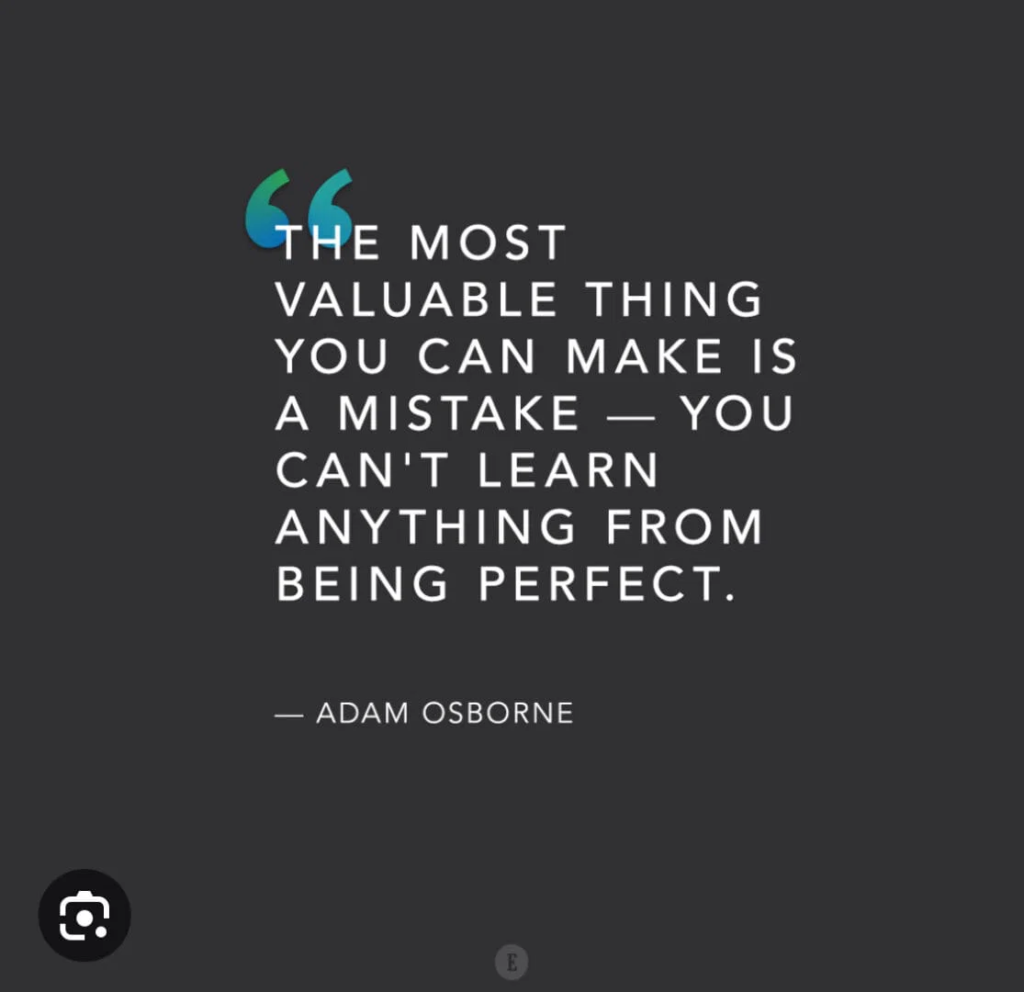
Jenn Swagar, MSC, BSC. Why Parents Need to Step Back from Their Kid’s Sport In today’s youth sports world, parents are more involved than ever. They attend every game, track every stat, and sometimes even try to control their child’s athletic journey. But here’s the hard truth: Too much parental involvement does more harm than good. Sports should be an opportunity for kids to learn, grow, and develop independence—but that becomes impossible when parents take over. There are many reasons why parents should step back and leave their kids to play and manage their own sport experience. 1. Sports Are for the Kids, Not the Parents It sounds obvious, but too many parents forget this. They treat their child’s sport like their own personal competition, they begin to live through their kid’s success and feeling embarrassed by their struggles. This is a problem when parents become too invested, the pressure on kids skyrockets and these parents become obsessed with their kid’s performance. Instead of enjoying the game, and watching their kids enjoy the game, this behaviour becomes overbearing and toxic and makes the kid feel like they are playing to avoid disappointing their parents. The fix is quite simple, let your child own their experience. It’s their sport, their journey, their lessons to learn. Step back and support their choices, their wins and their losses. Give a high five and a hug, be positive and ask before you give coaching input. 2. Overinvolvement Kills Passion When kids feel like they’re playing for their parents instead of themselves, they lose the joy of the game. They begin to feel invisible, and a sense of uselessness can become overwhelming. These parents do most of the taking and the kids really end up without a voice. The overbearing parent: Constantly critiques their child’s performance, pushes extra training, and talks about the sport 24/7. They are a second coach, even if they have had very little to no experience coaching. They bring everything back to sport, they are critical about nutrition, sleep and other pleasures that young people should be experiencing. The supportive parent: Encourages effort, allows their child to process success and failure on their own, and keeps a healthy balance. A supportive parent does not make excuses for their child, but they do not put rules on their praise. They are positive and supportive and encourage balance and open communication. The Problem: kids who feel forced into sports burn out quickly. The love for the game is replaced by resentment and stress. Constantly striving for something they feel is not something they wanted in the first place. The Fix: Support them but let them set their own level of commitment and goals. Be open and honest with them but do not project your desires on to them. Not every athlete has to be the next best or make it to the next level. Playing the sport for the love of the sport is a beautiful thing. 3. It Undermines Coaches & the Learning Process Too often, parents believe they know more than the coach. They question decisions, demand more playing time, and even challenge team strategies. They destroy culture and make it impossible to remove their kid from the team. The Problem: This sends a message to kids that if they don’t like something, they don’t have to listen, work harder, or improve—they can just have their parent fix it for them. Often kids are not even aware of what their parents are saying and doing. The Fix: Leave the coaching to the coaches. Even if you disagree, teach your child to handle adversity rather than stepping in to control the situation. If your child comes to you with a problem, teach them to handle it with respect and honesty. Tell them to advocate for themselves by talking to the coaches and being clear with teammates. 4. Failure is Part of the Game (and of Life) Many parents try to shield their child from struggle: The Problem: If kids never learn how to handle failure, rejection, and adversity, they won’t develop the resilience they need in sports—or life. Stepping in also shows the kid that you do not believe they are capable of handling things themselves. The Fix: Instead of protecting them, teach them to work through setbacks. Failure builds character. It is often a difficult lesson and can take time to settle but when we step back and allow them to feel what they feel and encourage them to persevere they usually bounce back quite well. 5. It Damages the Parent-Child Relationship One of the saddest things about overinvolvement in sports? It ruins relationships Kids start to avoid their parents because they don’t want to talk about the game. Car rides home become stressful instead of enjoyable. Parents become more like “managers” than parents. A Simple Rule: If your child doesn’t want to talk about the game, don’t bring it up. Let them come to you when they’re ready. Listen and support instead of interjecting and controlling. What Parents SHOULD Do Instead Support, but don’t control. Let your child lead their own sports journey. Let the coaches do their job. If your child has a problem, teach them to communicate with the coach themselves.Encourage effort, not just results. Praise their work ethic, not just their performance.Make sure sports don’t define them. Remind them that their value isn’t tied to wins and losses.Enjoy watching, but don’t analyze. Be their biggest fan, not their personal scout. Don’t go to every practice and every event. Allow your child to build their own identity. Final Thoughts Parents want the best for their kids, but sometimes the best thing they can do is step back. Sports should be a place of growth, independence, and joy—not stress, pressure, and constant parental interference. If you truly want your child to succeed in sports (and in life), give them the freedom to fail, struggle, and ultimately grow on their own. They will make mistakes, but they are theirs to make, and