
Authour: Maxime Malo
RMT.
Skiers and snowboarders gearing up on a chairlift in the Rockies – in Calgary and Banff, winter sports are a way of life
The Winter Sports Challenge in Calgary & Banff
In Calgary and nearby Banff, Alberta, winter sports like skiing, snowboarding, ice hockey, and curling are more than just seasonal pastimes – they’re a way of life. As winter approaches, enthusiasts of all levels flock to the mountains and rinks. But jumping into these activities without proper preparation can put significant stress on your muscles and joints. Cold weather and demanding movements (from carving down ski slopes to sweeping in curling) can lead to tight muscles, fatigue, and a higher risk of strains or injuries if your body isn’t ready. To fully enjoy the season ahead, it’s crucial to prepare your body now, in the off-season, and continue caring for it throughout winter.
Why preparation matters: Without adequate conditioning and recovery practices, you may experience muscle imbalances, reduced range of motion, or lingering soreness that takes the fun out of winter adventures. The good news is that two therapeutic modalities – sports massage therapy (a form of soft tissue therapy) and Frequency-Specific Microcurrent (FSM) therapy – can play a key role in helping winter athletes and weekend warriors alike get ready for action and stay injury-free. These therapies support your training by targeting key muscles, relieving tension, and enhancing the body’s natural recovery processes, so you can remain active and safe all season long.
What Is Sports Massage Therapy(Soft Tissue Therapy)?
Sports massage therapy is a specialized form of soft tissue therapy focused on muscles, tendons, and ligaments. Unlike a relaxing spa massage, sports massage aims to improve your athletic performance and resilience. A trained therapist uses targeted techniques to release tight areas, break up adhesions (knots or scar tissue), and improve flexibility and range of motion. For example, if you’re a skier or snowboarder, sports massage can loosen up tight quadriceps, calves, and hip flexors, helping you move more efficiently and reducing strain on your knees. If you play hockey or do ice climbing, massage can relieve stiff shoulders and back muscles from all that twisting and carrying of equipment.
How sports massage helps winter athletes: By easing muscle tension and improving tissue elasticity, sports massage can directly reduce the risk of common winter sport injuries like muscle pulls or ligament sprains. It also stimulates blood flow to the muscles, delivering oxygen and nutrients needed for performance. In fact, research has shown that massage therapy can improve circulation and even alleviate muscle soreness after intense exercise (sciencedaily.com). A University of Illinois at Chicago study found that people who received massage after exercise had better blood flow and reported significantly less soreness 24 hours later compared to those who did not (sciencedaily.com). Improved circulation means your muscles recover faster from workouts or long days on the ski hill, so you’re less stiff and more prepared to hit the slopes or the ice again.
Sports massage also has a positive effect on your nervous system – it can calm down overactive areas and activate underused muscles, contributing to better balance and coordination. Over the winter season, regular sessions can help correct muscle imbalances (for instance, relaxing a dominant leg muscle while encouraging a weaker one to engage properly), which is important for sports that require symmetry and stability.
How Frequency-Specific Microcurrent (FSM) Therapy Works
While sports massage works on a macro level through manual pressure, Frequency-Specific Microcurrent (FSM) therapy works on a micro level by sending very low-level electrical currents into the body’s tissues. FSM devices deliver currents in the microampere range (millionths of an ampere) at specific frequencies that target certain tissues or conditions. You won’t feel any shocks – the currents are so small that treatment is usually painless – but the effects can be significant at the cellular level.
Healing and recovery at the cellular level: FSM is designed to support tissue healing and reduce inflammation from within. The microcurrents stimulate cellular processes; notably, studies have found that microcurrent therapy can dramatically increase production of ATP (adenosine triphosphate), which is the energy molecule cells use for repair and regeneration. In one landmark study, Cheng et al. (1982) demonstrated that microcurrent stimulation could boost ATP production by as much as 500% in tissue cells (pantheonresearch.com). This surge in cellular energy accelerates healing of muscle or ligament micro-tears and helps your body recover faster after intense exercise or injury. Essentially, FSM gives your cells extra “battery power” to repair themselves.
FSM also appears to modulate inflammation and pain signaling. The gentle currents can reduce inflammatory chemicals and influence nerve pathways to alleviate pain. For winter sports enthusiasts, this means FSM therapy can help with both acute issues (like calming down a swollen, sore muscle after a big powder day) and chronic aches (like that nagging knee pain or lower back stiffness from repetitive movements). In fact, a controlled trial in the Journal of Bodywork and Movement Therapies found that athletes who received FSM treatment after exercise experienced significantly less delayed onset muscle soreness (DOMS) at 24, 48, and 72 hours post-exercise, compared to when they did not receive FSM (frequencyspecific.com). The FSM-treated muscles were notably less sore – for example, at 48 hours the treated group rated soreness around 1.2 on a pain scale vs. 7.0 in the control (no treatment) group (frequencyspecific.com). This suggests FSM provided protection against muscle soreness, allowing for quicker recovery between training sessions.
When combined, sports massage and FSM therapy complement each other exceptionally well. Massage works on improving tissue quality and mechanics externally, while FSM works internally to reduce inflammation, enhance healing, and even improve microcirculation. The result is a holistic approach to keeping your body in top shape for winter sports.
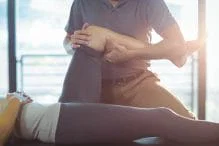
A sports therapist working on an athlete’s knee – targeted soft tissue therapy can address problem areas and prevent injuries in winter sports.
Benefits of Sports Massage & FSM Therapy for Winter Sports
Regular sports massage and FSM therapy offer a range of science-backed benefits that can help winter athletes and active enthusiasts perform better and stay injury-free. Here are some of the key advantages:
- Improved Mobility and Flexibility: Stiff, tight muscles can limit your range of motion – not ideal when you need deep knee bends for skiing or shoulder rotation for hockey slapshots. Sports massage therapy helps release muscle and fascial tension, allowing your joints to move more freely. Looser muscles mean you can achieve proper form in your activities (like a deeper tuck or a smoother skating stride) without restriction. FSM further supports mobility by reducing internal inflammation around joints, so swelling or micro-tears won’t hold back your movement. In fact, a 2020 meta-analysis in BMJ Open Sport & Exercise Medicine found that massage was associated with small but significant improvements in flexibility and reduced DOMS (muscle soreness) compared to no intervention (pubmed.ncbi.nlm.nih.gov). Even a modest gain in flexibility can make a big difference in preventing strains when you hit the slopes or the ice.
- Faster Recovery & Injury Prevention: Winter sports are intense – whether it’s the impact on your legs from moguls or the risk of falls and collisions. Over time, micro-injuries can accumulate. Sports massage aids in injury prevention by identifying and addressing tight spots or muscle imbalances before they become serious problems. For example, tight hip flexors (common in skiers and snowboarders) can contribute to lower back pain or knee issues; massage can alleviate that tightness early. If you’re rehabbing an injury, massage can also help break down scar tissue and restore normal muscle function. FSM therapy complements this by accelerating the healing process: its boost to cellular repair and protein synthesis means tissues recover quicker from strains or bruises (pantheonresearch.com). Additionally, FSM’s anti-inflammatory effect reduces swelling, which can otherwise delay recovery. Research on FSM-treated athletes showed not only less soreness but also indications of improved muscle resilience, suggesting fewer injuries down the line (frequencyspecific.com). By keeping your muscles supple and fostering rapid healing, these therapies make you more resilient against injuries in the first place.
- Better Circulation and Muscle Performance: Good circulation is key in cold weather sports. Warm, well-oxygenated muscles perform more effectively and are less prone to cramps or pulls. Sports massage is well-known for increasing blood flow in the treated areas – by manually dilating blood vessels and moving fluids, it helps flush out metabolic waste and bring in oxygen-rich blood. A study in the Archives of Physical Medicine and Rehabilitation demonstrated that people receiving massage after exercise had improved blood vessel function and blood flow for up to 72 hours post-exercise (sciencedaily.com). Even those who got a massage without exercising saw a boost in circulation (sciencedaily.com). , indicating massage has a systemic benefit. FSM therapy also aids circulation on a micro level; it can improve microcirculatory flow in tissues, ensuring that even the small capillaries in your muscles get adequate blood supply (sciencedaily.com). For winter athletes, this translates to quicker removal of lactic acid (reducing soreness) and better delivery of nutrients to muscles. The outcome? Faster recovery after a day of activity and muscles that are primed for performance the next time out.
- Correction of Muscle Imbalances: Many winter sports demand a fine balance of strength, stability, and flexibility. However, it’s common to develop muscle imbalances – for instance, snowboarders might overuse one leg or stance, and skiers often have one leg slightly dominant. Over time, these imbalances can affect your technique and increase injury risk (like an ACL injury if one side of your knee is more stabilized than the other). Sports massage therapists can identify areas of overuse or underuse and work on them: tight, overactive muscles can be relaxed with deep tissue techniques, while weaker, lengthened muscles can be stimulated. FSM therapy can enhance neuromuscular function; by reducing inflammation around nerves and muscles, it helps restore proper signal transmission and muscle firing patterns. The combination leads to better symmetry and coordination. For example, loosening an overactive calf muscle while using FSM to stimulate a weak shin muscle could improve your balance on skis. Correcting these imbalances not only improves performance (more even weight distribution, smoother turns) but also lowers the chance of one-sided injuries.
- Comprehensive Pain Relief: Soreness and aches are almost a badge of honor after a tough ski weekend or a long hockey tournament – but they shouldn’t linger or worsen. Pain can sap your motivation and even alter your movement patterns (causing you to compensate and potentially injure something else). Sports massage helps reduce pain naturally by releasing muscle knots and tension, and by triggering the release of endorphins – the body’s feel-good pain-relieving chemicals. It also helps reset muscle tone, preventing that painful tightness that can set in after heavy exercise. FSM adds another layer of pain relief by influencing the nervous system: the specific frequencies used can actually soften pain signals to the brain and promote the release of anti-inflammatory substances. Some frequencies are even chosen for their effect on nerve conduction, effectively turning down the volume on pain. For winter sports enthusiasts dealing with issues like tendonitis, muscle strains, or even arthritis flare-ups in the cold, this pain management aspect is invaluable. By keeping pain at bay, you can maintain both physical performance and mental focus on the slope or rink, rather than being distracted by discomfort.
Key Areas & Tips for Winter Sports Preparation
Even with therapy, you’ll want to actively take care of your body to get ready for winter sports. Here are some practical tips and areas of focus to help you perform your best and avoid injuries:
- Warm Up Properly: Never hit the cold slopes or ice with cold muscles. Prior to activity, do a dynamic warm-up for 10–15 minutes – exercises like leg swings, arm circles, lunges, and light cardio (jogging or jumping jacks) get your blood flowing and muscles loosened. A good warm-up increases muscle temperature and improves joint mobility, which can prevent strains. In Calgary’s chilly mornings, consider warming up indoors or adding an extra layer while warming up outside.
- Focus on Flexibility: Pay special attention to stretching key muscle groups used in winter sports. For example, stretch your hip flexors (try a kneeling lunge stretch) to avoid lower back strain when skiing or skating. Keep your quadriceps and hamstrings flexible with standing quad stretches and gentle toe-touches, so your knees have full range in motion (important for everything from skiing moguls to skating strides). Don’t forget calves and glutes as well. Aim to do static stretches after activity or on recovery days, and gentle mobility drills daily. Improved flexibility will complement the effects of massage and make each session on the mountain or rink feel easier on your body.
- Stay Hydrated (Even When It’s Cold): In the dry cold air of Alberta’s winter, you might not feel sweaty, but you can still get dehydrated quickly. Cold weather can actually blunt your thirst, meaning you might not realize you need water. Dehydration can lead to muscle cramps and reduce your energy. Tip: Drink water regularly throughout the day, even if you’re not feeling very thirsty. You can also include warm drinks like herbal tea if plain water is unappealing in the cold. Consider adding electrolytes – for instance, an electrolyte powder or a pinch of sea salt in your water – to help with hydration and muscle function (since you lose valuable salts when you exert yourself). Proper hydration keeps your muscles pliable and your joints lubricated, reducing injury risk.
- Fuel Your Body: Don’t skimp on calories during winter sports season. In cold temperatures, your body burns extra energy to stay warm, and activities like skiing or snowboarding can burn hundreds of calories per hour. Ensure you’re eating enough quality food – complex carbs to top up your energy stores and lean proteins to aid muscle recovery. For example, on ski days, have a hearty breakfast (oatmeal with fruit and nuts, or eggs and whole grain toast) and pack snacks like trail mix or energy bars to refuel between runs. Sufficient nutrition supports the work that therapies do; nutrients like protein help rebuild tissues (leveraging that FSM-stimulated ATP production and protein synthesis), and carbs prevent excessive fatigue. A well-fueled athlete will recover faster and perform more consistently.
- Pace Yourself and Rest: It’s tempting to squeeze in as much fun as possible on a ski trip or to play back-to-back hockey games, but listen to your body’s signals. Fatigue and overuse are a common cause of injuries. Take breaks during activity – step into the lodge to warm up and rest between ski runs, or take a day off after an intense weekend to let your body recover. During the week, incorporate active recovery days where you might do light exercise, stretching, or use tools like foam rollers. Quality sleep is also a vital part of recovery; this is when much of your muscle repair and adaptation happens. By balancing effort with recovery, and utilizing massage and FSM on a regular schedule, you’ll maintain consistent performance and avoid burnout or injury as the winter season progresses.
Making the Most of Therapy: Frequency and Professional Guidance
To gain all these benefits, consistency is key. Experts often recommend incorporating soft tissue therapy and FSM therapy into your routine weekly or bi-weekly during the winter sports season. Regular sessions mean you address minor issues before they escalate – that little knot in your calf can be worked out before it pulls on your Achilles, or that slight shoulder tweak can be calmed before your next hockey game. At MOST Physical Preparation, a Calgary-based sports performance clinic, we find that frequent treatments help our clients stay in peak condition and prevent minor aches from turning into major problems. By keeping up with therapy, you’re essentially doing ongoing maintenance on your body, much like tuning up your skis or sharpening your skates.
Professional guidance matters: Ensure you work with qualified practitioners for both sports massage and FSM. A certified massage therapist experienced in sports can tailor the treatment to your specific sport and problem areas. If you come in with, say, a history of knee pain from skiing, they will focus on related muscle groups (quads, IT band, calves) to alleviate pressure on the knee. For FSM therapy, seek out a therapist or physiotherapist trained in this technology – they will know which frequency protocols to use for your needs (whether it’s inflammation reduction, muscle tear repair, or nerve pain relief). The team at MOST Physical Preparation in Calgary offers personalized soft tissue and FSM treatments for winter athletes of all kinds. Whether you’re preparing for the ski season in Banff or getting ready for a local ice hockey league, having a knowledgeable therapist in your corner can make all the difference in staying healthy and performing your best.
Embrace Winter with Confidence
In summary, sports massage therapy and FSM therapy are powerful tools to help you prep for and thrive during the winter sports season. They address the unique challenges that cold-weather sports impose on the body – from tight muscles and delayed recovery to injury risks and nagging pains. By improving flexibility, speeding up recovery, enhancing circulation, balancing muscle function, and reducing pain, these modalities ensure you can enjoy your time on the slopes, rink, or trails to the fullest. Importantly, they complement your own efforts in training, stretching, nutrition, and rest.
As winter approaches this year, take the proactive step of caring for your body. Start a routine of regular massage and FSM sessions in the lead-up to the season, and continue through those action-packed winter months. Not only will you likely feel the difference after each session (think: waking up the day after skiing without that usual soreness!), but you’ll also be investing in your long-term mobility and performance. Remember, the goal is to prevent injuries and burnout, not just treat them after they occur. And if you do find yourself dealing with an injury or extra soreness, you’ll have your recovery team and plan in place.
Don’t let a lack of preparation or recovery hold you back from enjoying the snow and ice. With the right approach, you can push your limits in your sport and then bounce back quickly, ready for the next adventure. So, gear up, train smart, and consider adding sports massage and FSM therapy to your toolkit this season – your body will thank you when you’re carving that perfect turn or scoring that overtime goal, all with a smile on your face!–
Maxime Malo
ACMT/FSM